- +9472 2717 677
- Info@lankaitinerary.com

Kumana
- Home
- Kumana
Overview
Kumana National Park is one of Sri Lanka’s most important bird reserves, tucked away on the remote southeast coast beyond Arugam Bay. Its centrepiece is the Kumana Villu, a 200-hectare mangrove lagoon where thousands of birds nest, making it a paradise for birdwatchers and a genuinely off-the-beaten-path safari.
All Destinations
Ready to Explore Kumana?
Birdlife and Wilderness at Kumana National Park

Between April and July the villu becomes a vast breeding colony of pelicans, painted storks, herons, egrets, spoonbills and rare species such as the black-necked stork. Beyond the birds, Kumana shelters leopards, elephants, crocodiles and the occasional sloth bear, in a landscape of lagoons, mangroves and scrub that sees a fraction of Yala’s visitors.
Kumana’s remoteness is its appeal — it is reached via Arugam Bay on the east coast, so it pairs naturally with a surfing or east-coast beach stay. A dawn safari is the way to see it, when the colonies are at their noisiest and the light is best.
Things to Do in Kumana
- Kumana Villu nesting colony
- Rare & migratory water birds
- Leopards & elephants
- Remote, uncrowded wilderness
Good to Know
- Entrance fee: about USD 15 + service charge & VAT (2026)
- Best time: April to July for nesting birds
- Getting there: via Arugam Bay, east coast
- Best for: birdwatchers & wilderness lovers
Kumana suits travellers exploring the east coast and pairs well with an Arugam Bay surf or beach stay. It can be added to any off-the-beaten-path or nature-focused private tour for a dawn birding safari with a specialist guide.
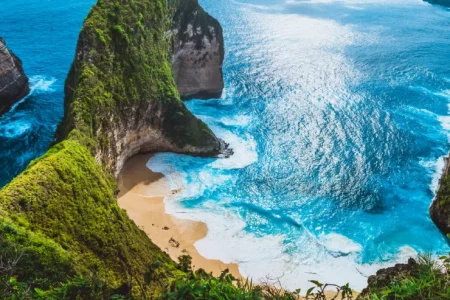
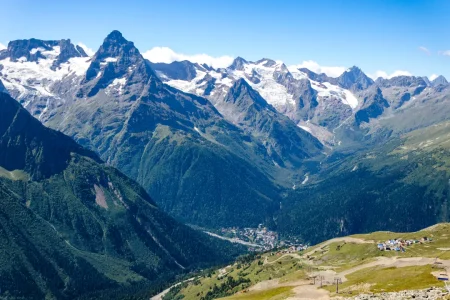
Kumana highlights: Kumana Villu nesting colony, Rare & migratory water birds, Leopards & elephants, Remote, uncrowded wilderness.
Best time to visit: April to July for nesting birds. getting there: via Arugam Bay, east coast. Lanka Itinerary can include Kumana in a private, fully customisable Sri Lanka tour with a local chauffeur-guide. Contact us to plan your trip.
Key Activities
Key Tour packages based on Kumana
Kumana is one of Sri Lanka's great bird reserves, famous for the Kumana Villu — a mangrove lagoon where thousands of water birds nest between April and July. It also has leopards, elephants and crocodiles, in a remote setting with few visitors.
April to July, during the nesting season, when the villu becomes a noisy breeding colony of pelicans, storks, herons and rarer species. This is the peak for birdwatchers.
Kumana is on the remote southeast coast and is usually reached via Arugam Bay. That makes it a natural addition to an east-coast or surfing trip rather than a day trip from the south or the hills.
About USD 15 per foreign adult in 2026, plus service charge and VAT. On our safaris the jeep and all park fees are included.
Yes, Kumana has leopards, along with elephants and crocodiles, though it is birds that draw most visitors. Sightings of big game are less frequent than at Yala, but the wilderness and the lack of crowds are the reward.